
Summary #
The teacher's guide clearly reveals what children will learn in this book "“"Students should gain an understanding that gender identity can be different from the gender they were born with. Students should know that they can be whatever they want and that there are many alternatives.". This is the essence of queer theory around gender identity, and is radical thinking that is neither scientific nor biological. The entire chapter is very radical with an insistent introduction of “gender identity” as fact and as knowledge that it is important to get details about. It is not presented plausibly or as a topic of conversation, gender identity is explained in a way that directly ignores biology. The chapter says that “students should learn to think about what it is like to feel like a boy or a girl, or neither or both”.
Part 1 – Chapter: Man #
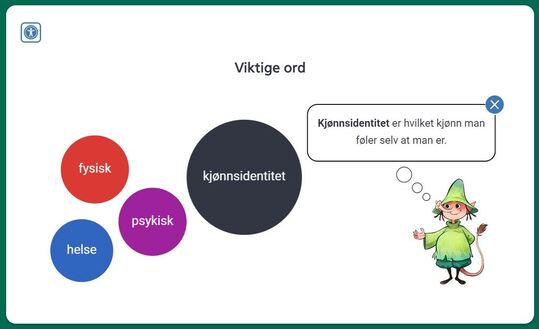
Heading: He, she or hen? (digital)
"I'm a little confused!" (book)
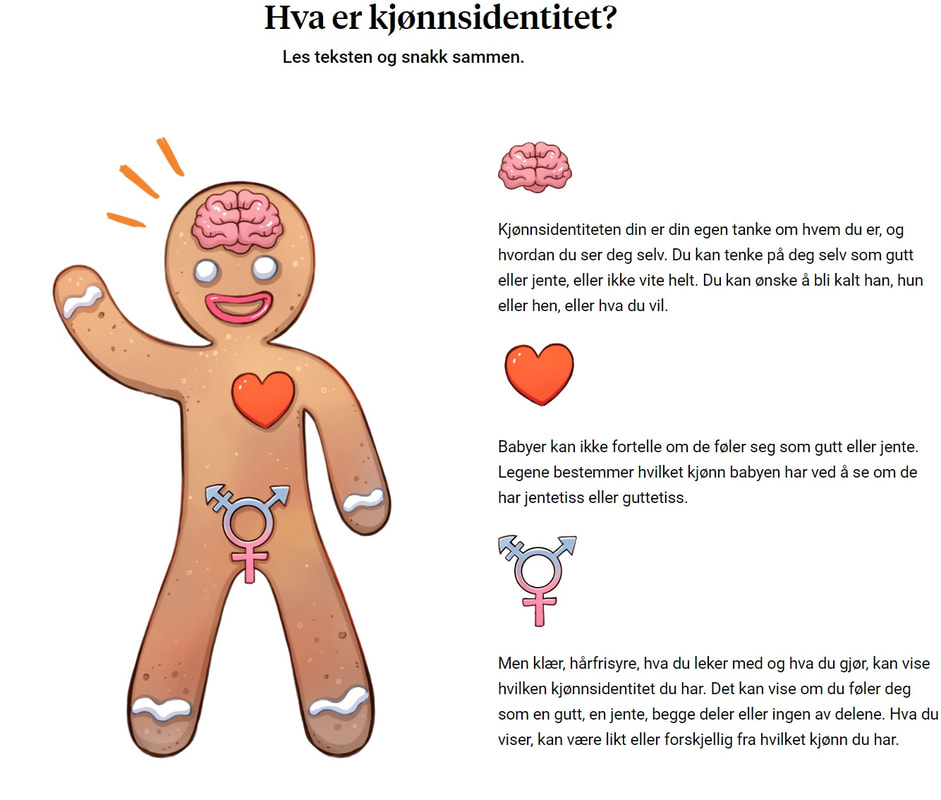
Page 142 – What determines whether you are a boy or a girl?

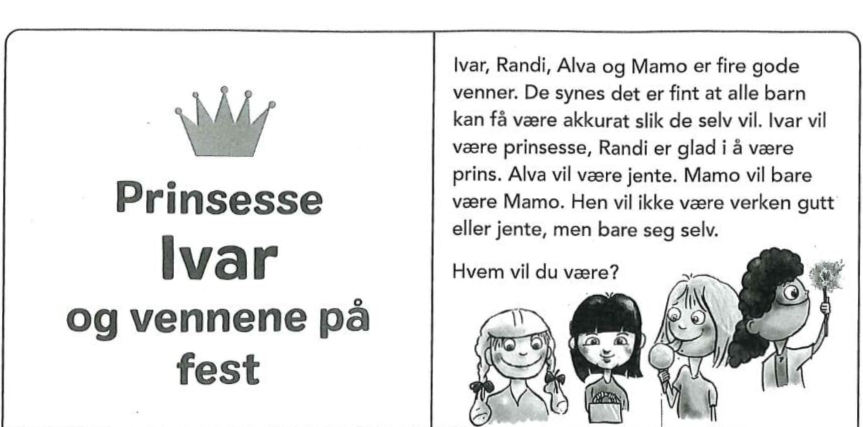
Part 2 – Princess Ivar #
Part 3 – The teacher's guide's calls to the teacher #

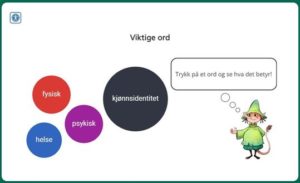
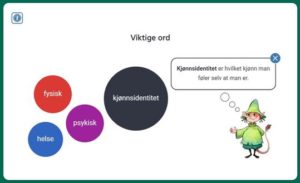
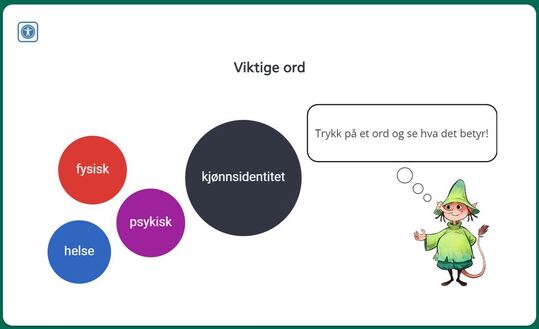
Info: This posting in the teacher's guide refers to the image above with the caption "Him, her or her?" (digital), "I'm a little confused" (book form), and it refers to the image of the gingerbread man with the caption "What is gender identity?"«
«"Watch the film Gender explained CBC Kids News on YouTube"»


Additional reading recommended from the teacher's guide: #
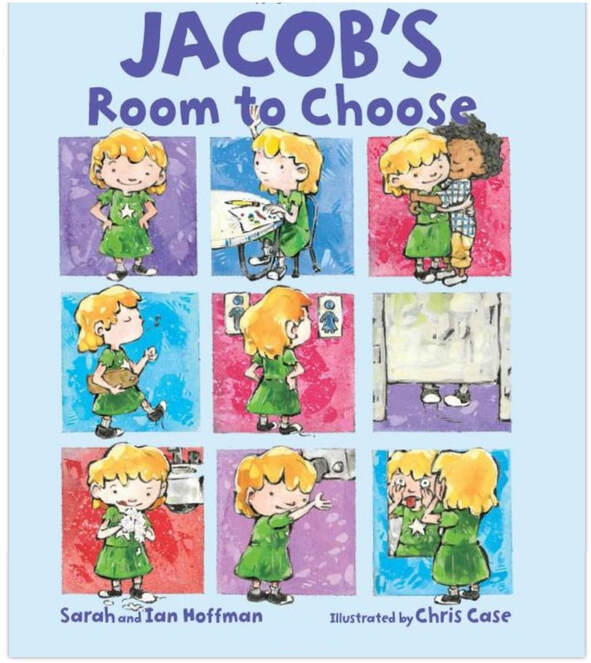

Info: The book is about a boy who has long hair and wears a dress; Jacob, and a girl who wears pants and a shirt; Sophie. The characters struggle to go to the bathroom in peace because the boys think Jacob is a girl, and the girls think Sophie is a boy. The book is about a settlement that everyone should be able to dress as they want and be themselves and use the restrooms they want.
Reflection to additional literature #
Children are consistently taught that gender identity is the gender they feel like, and at the same time they learn that how they dress, what they play with and their hairstyle can say something about their own gender identity. When you also introduce a book where a boy dresses in a dress and has long hair, but struggles not to be perceived as a boy, the confusion the children have been exposed to is enormous.
Gender identity can be reflected in what you do and look like and play with, but it doesn't have to be tied together. You can feel like a girl and a boy, something in between and neither, sometimes or all the time. Only you know who you are. "Who do you want to be?" is the question children should decide with the knowledge they are introduced to that gender identity is.


